

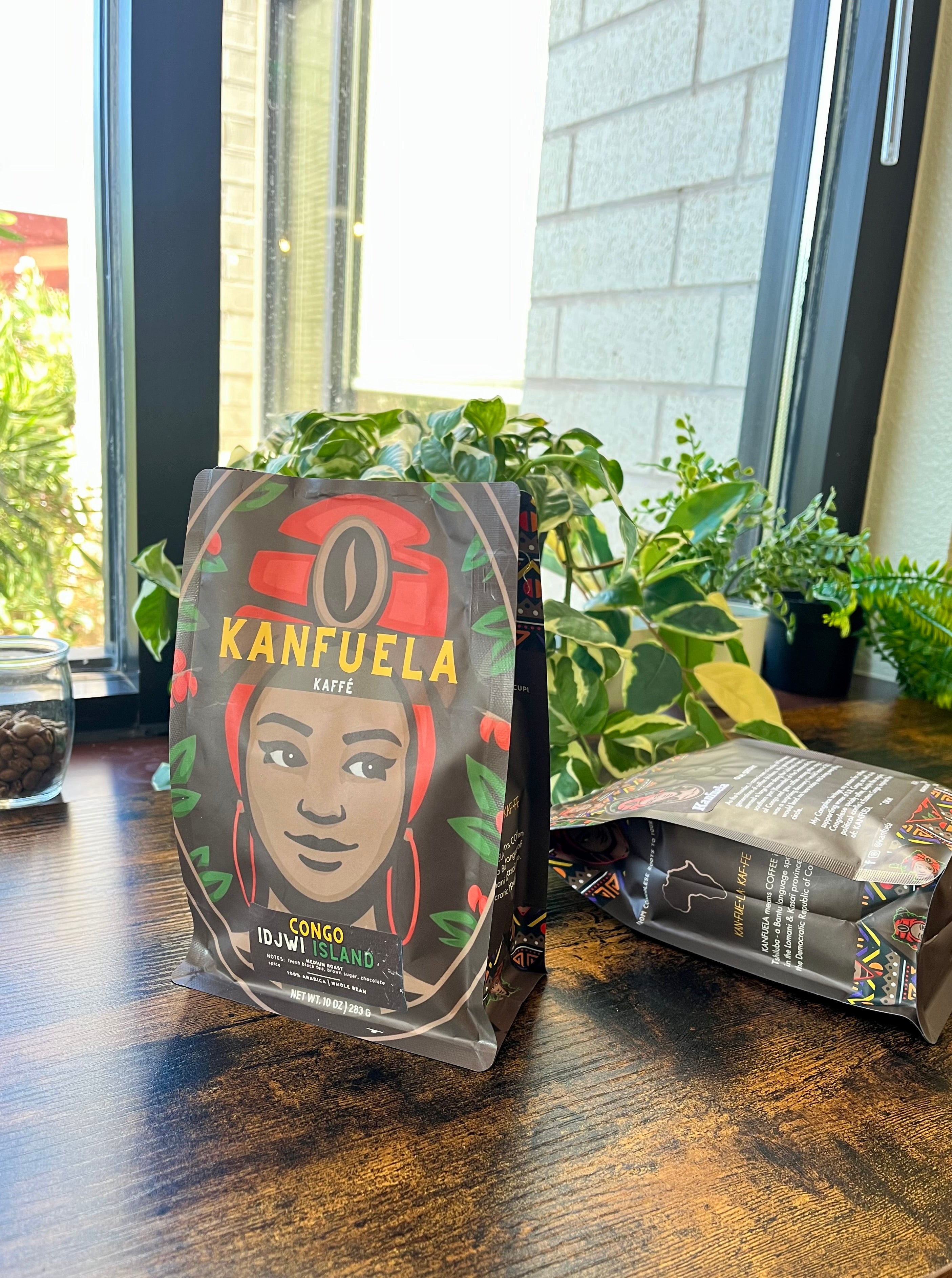
Congo Idjwi Island
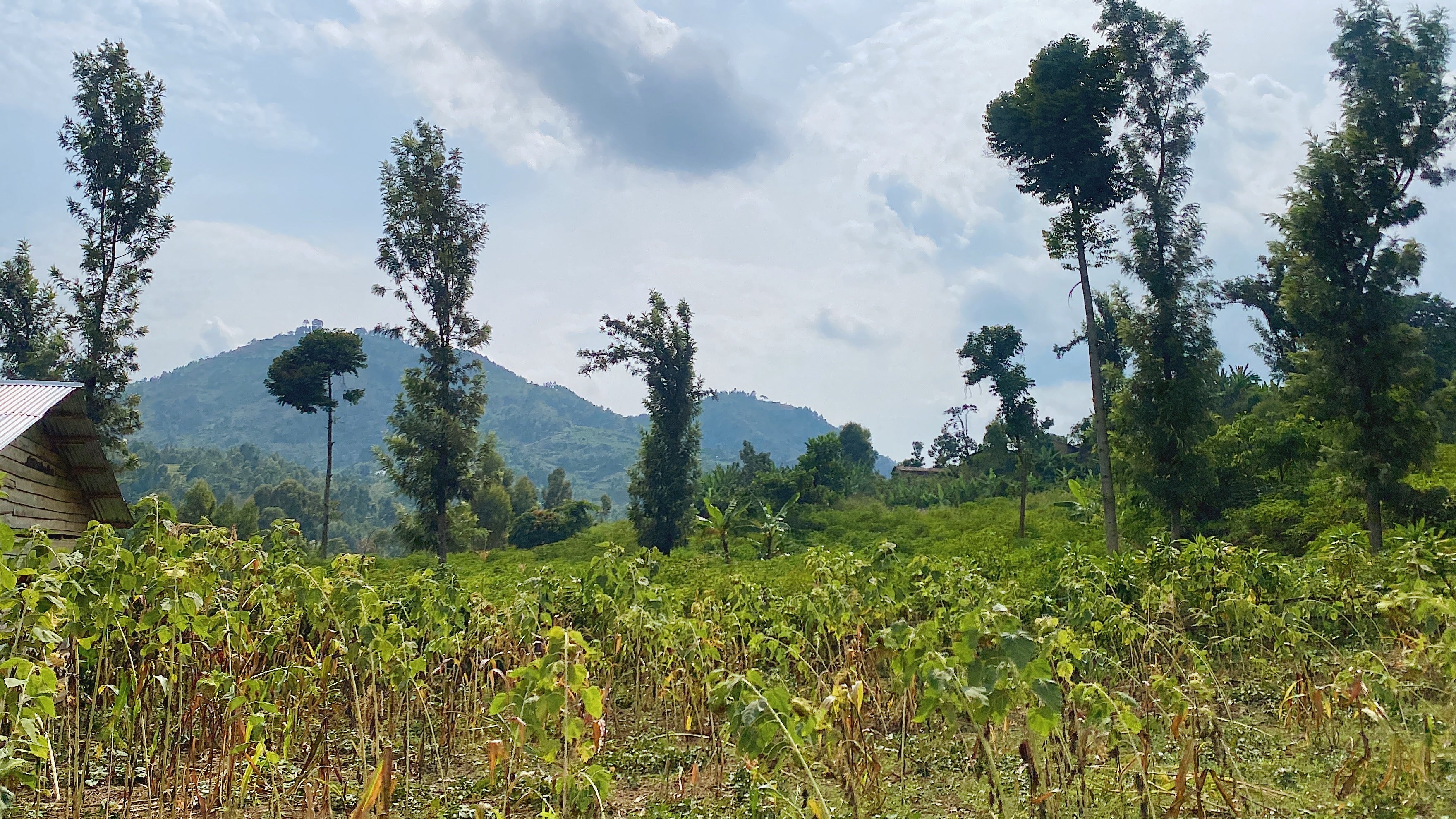
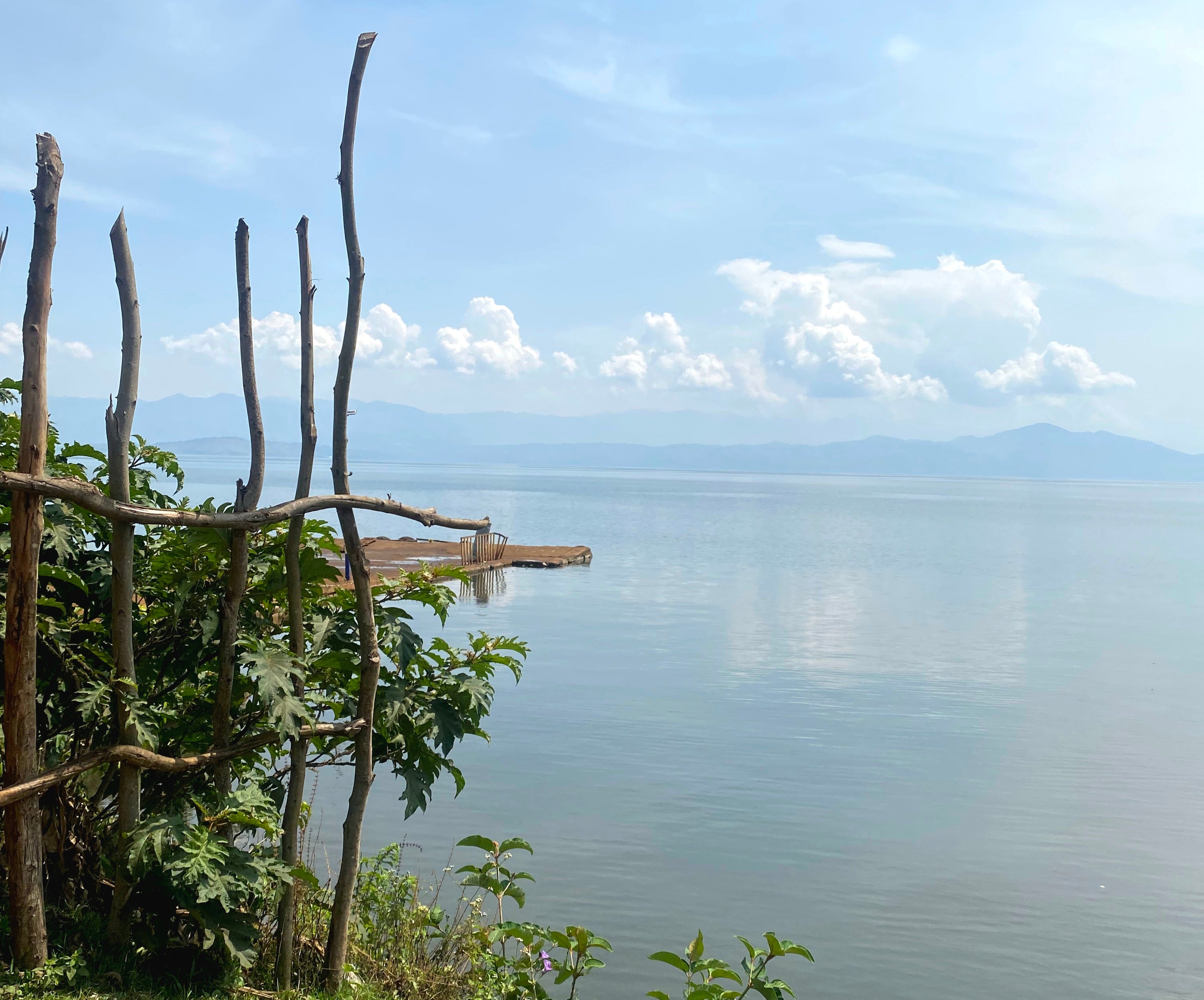
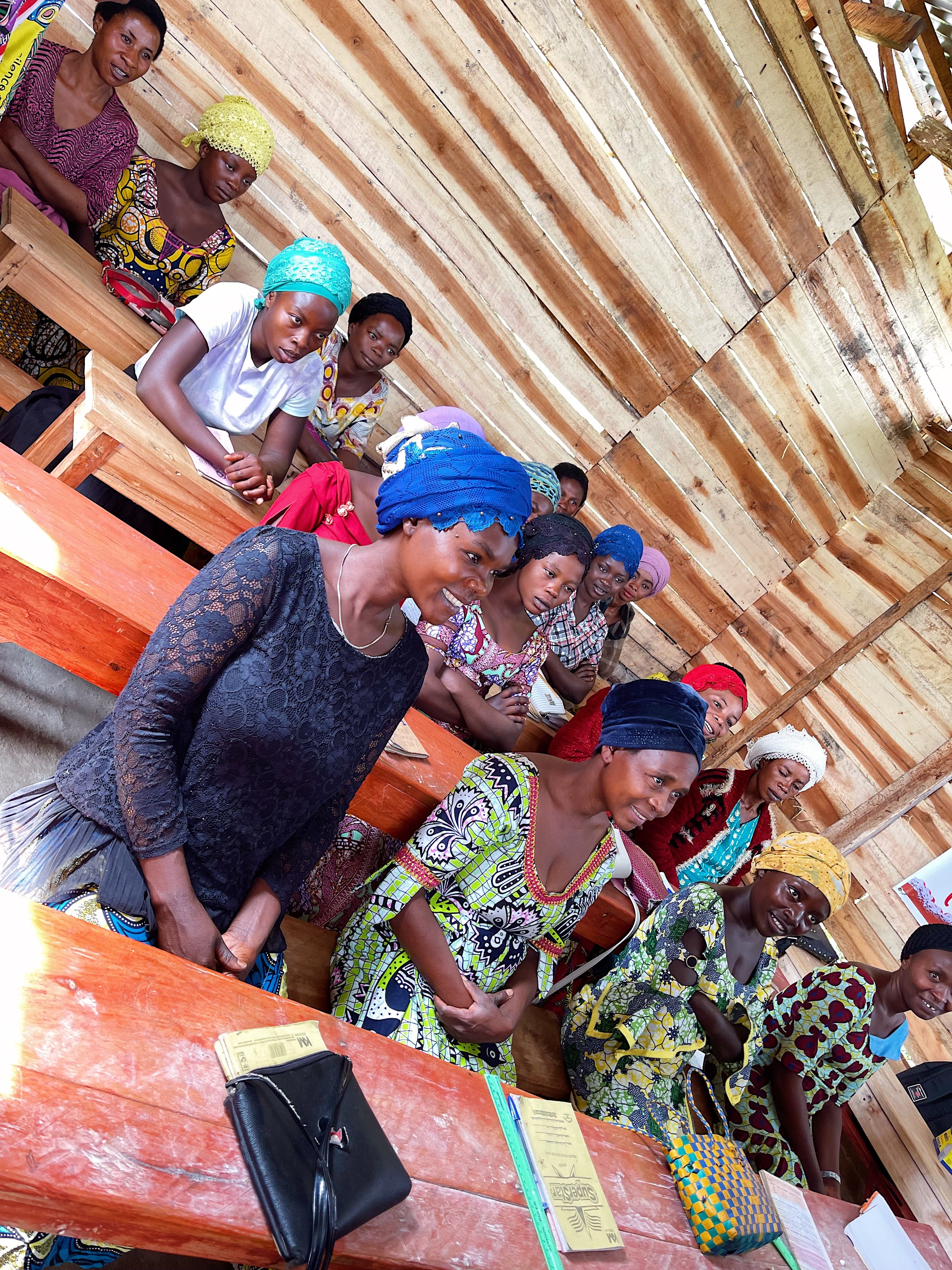
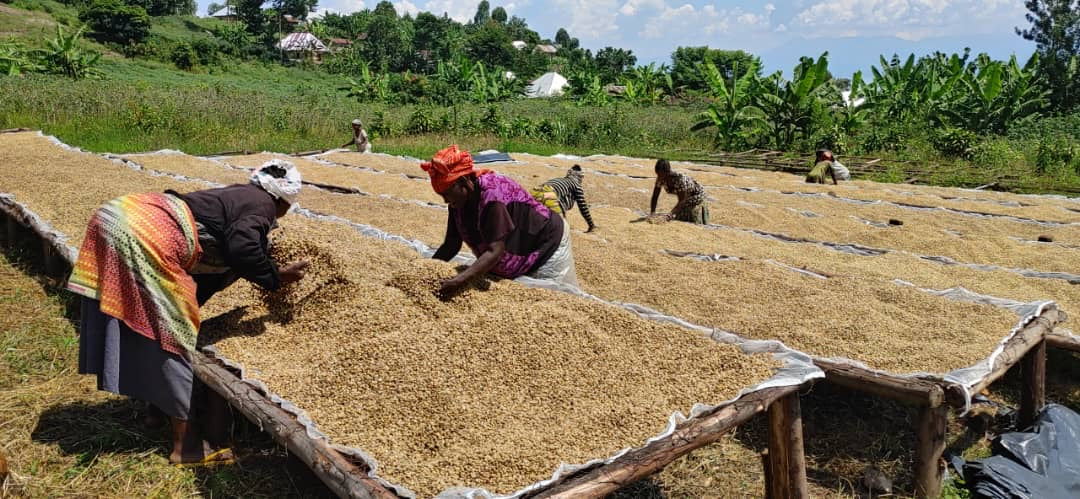
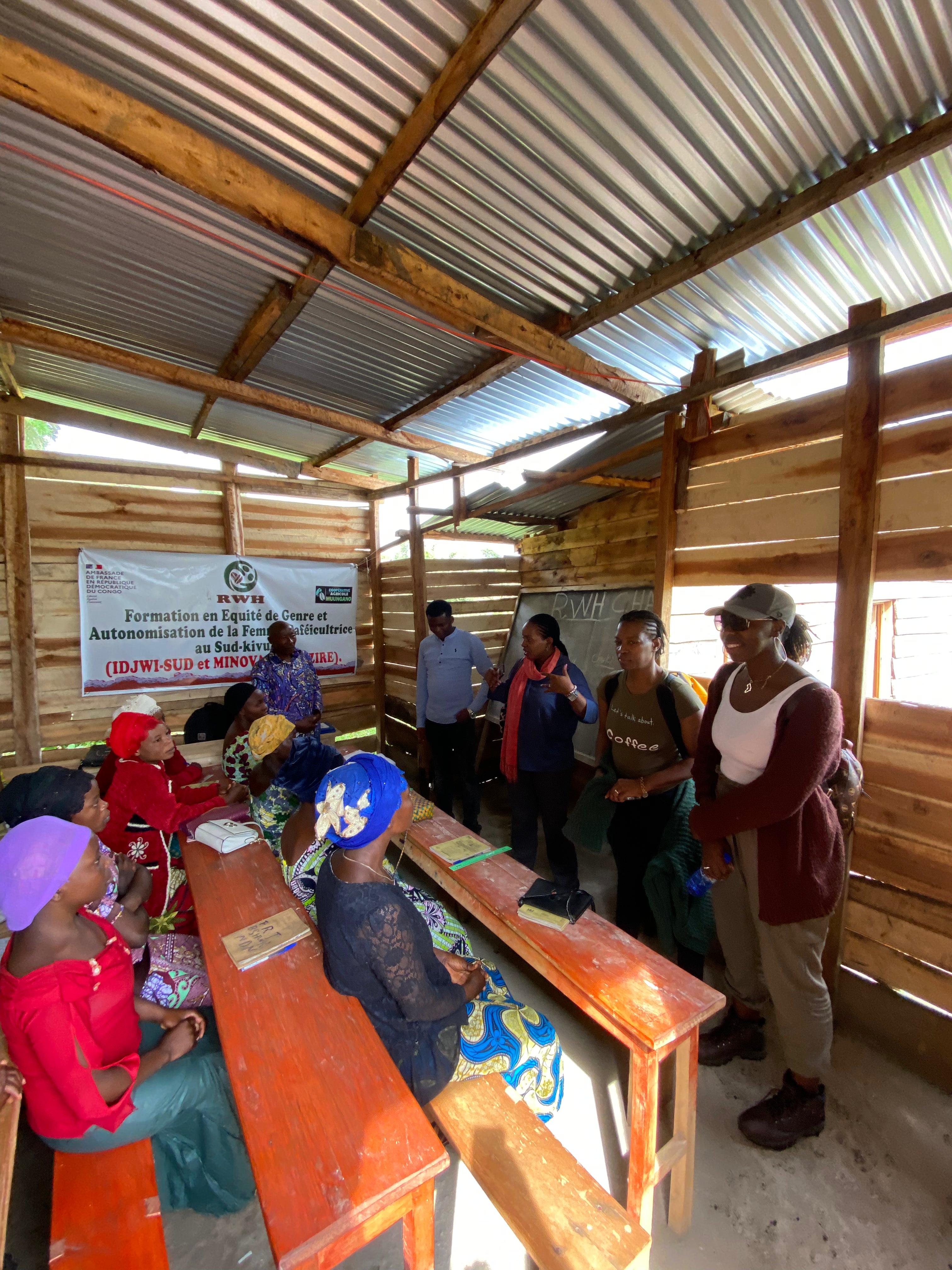
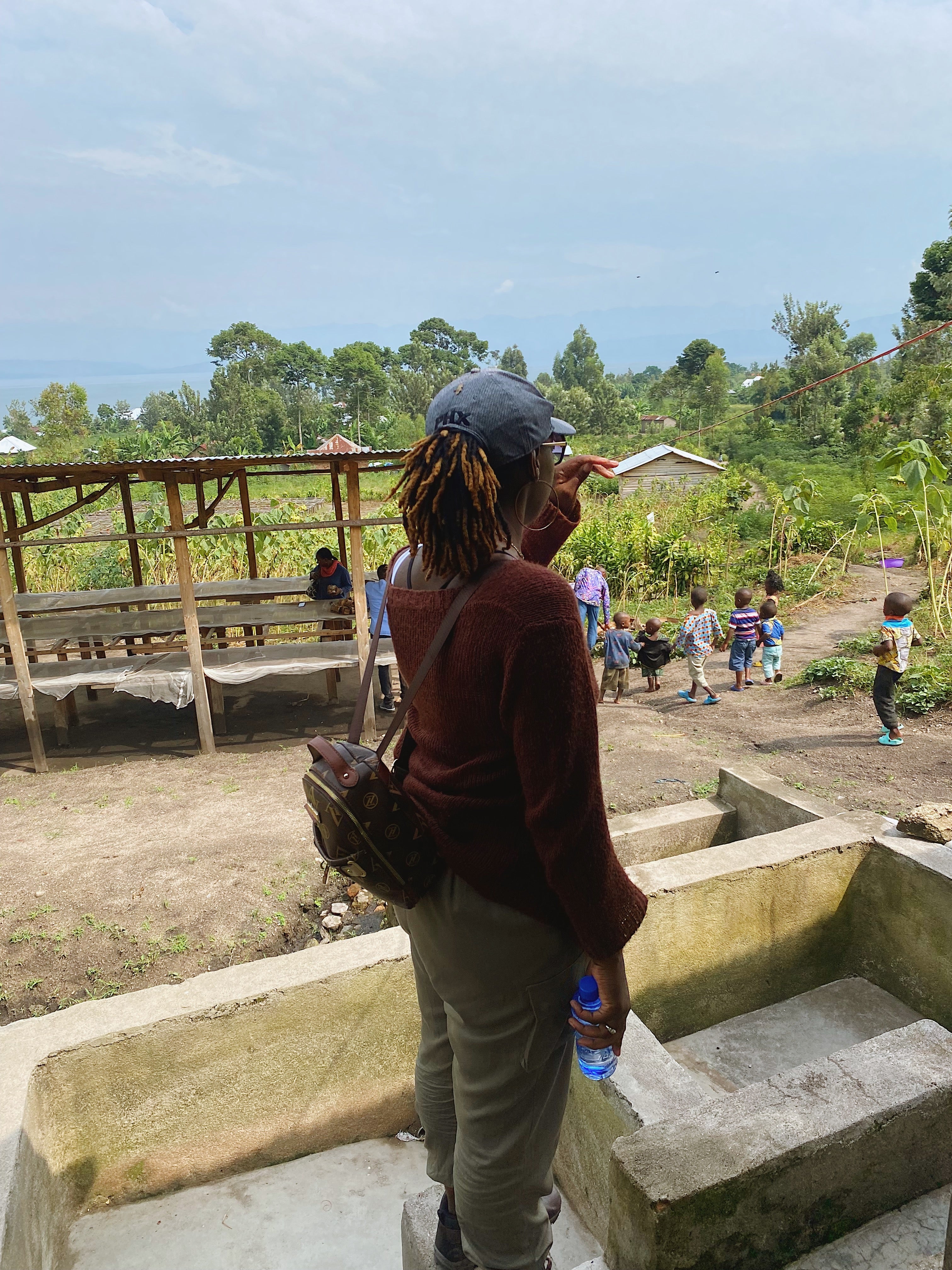
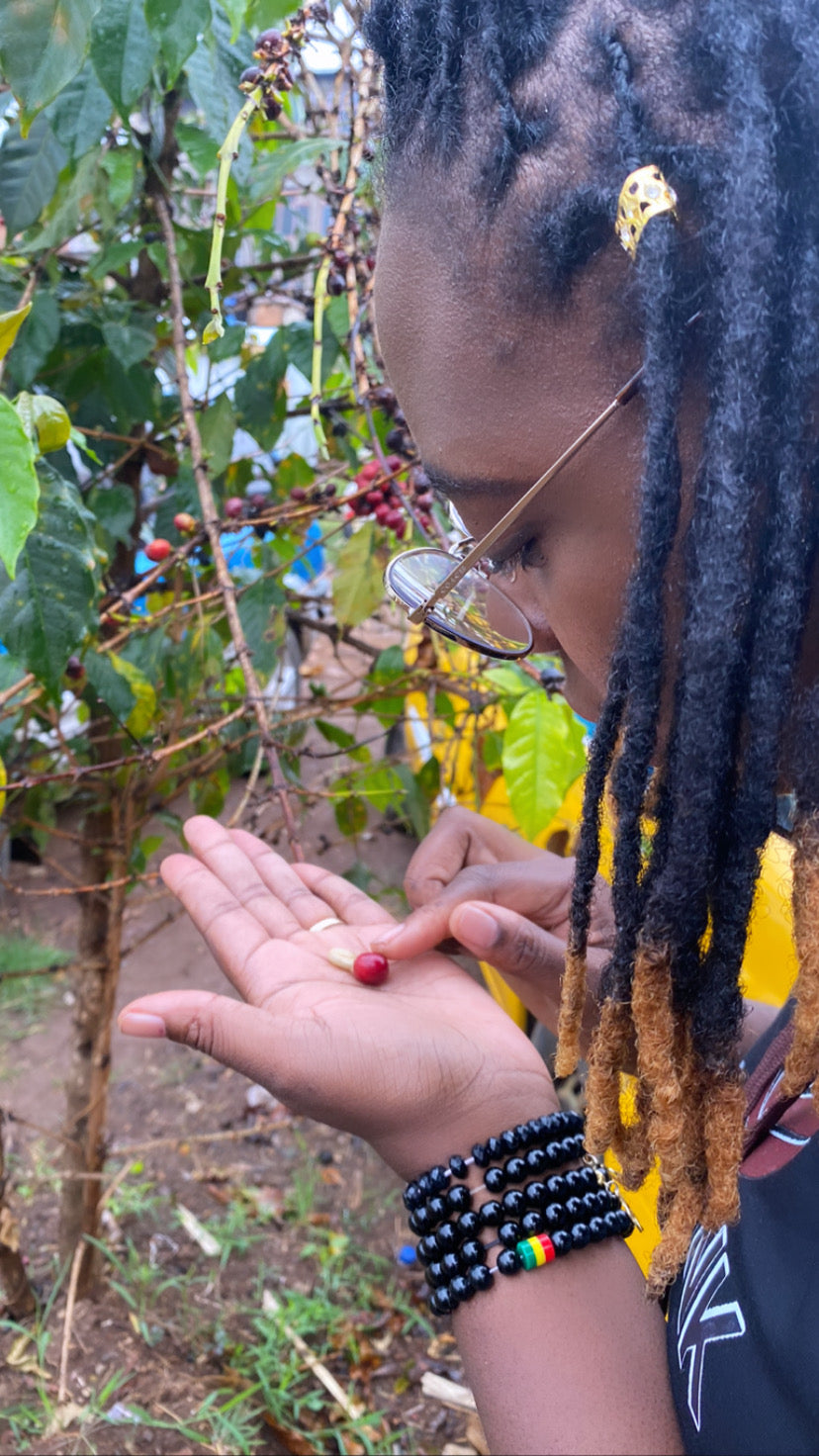
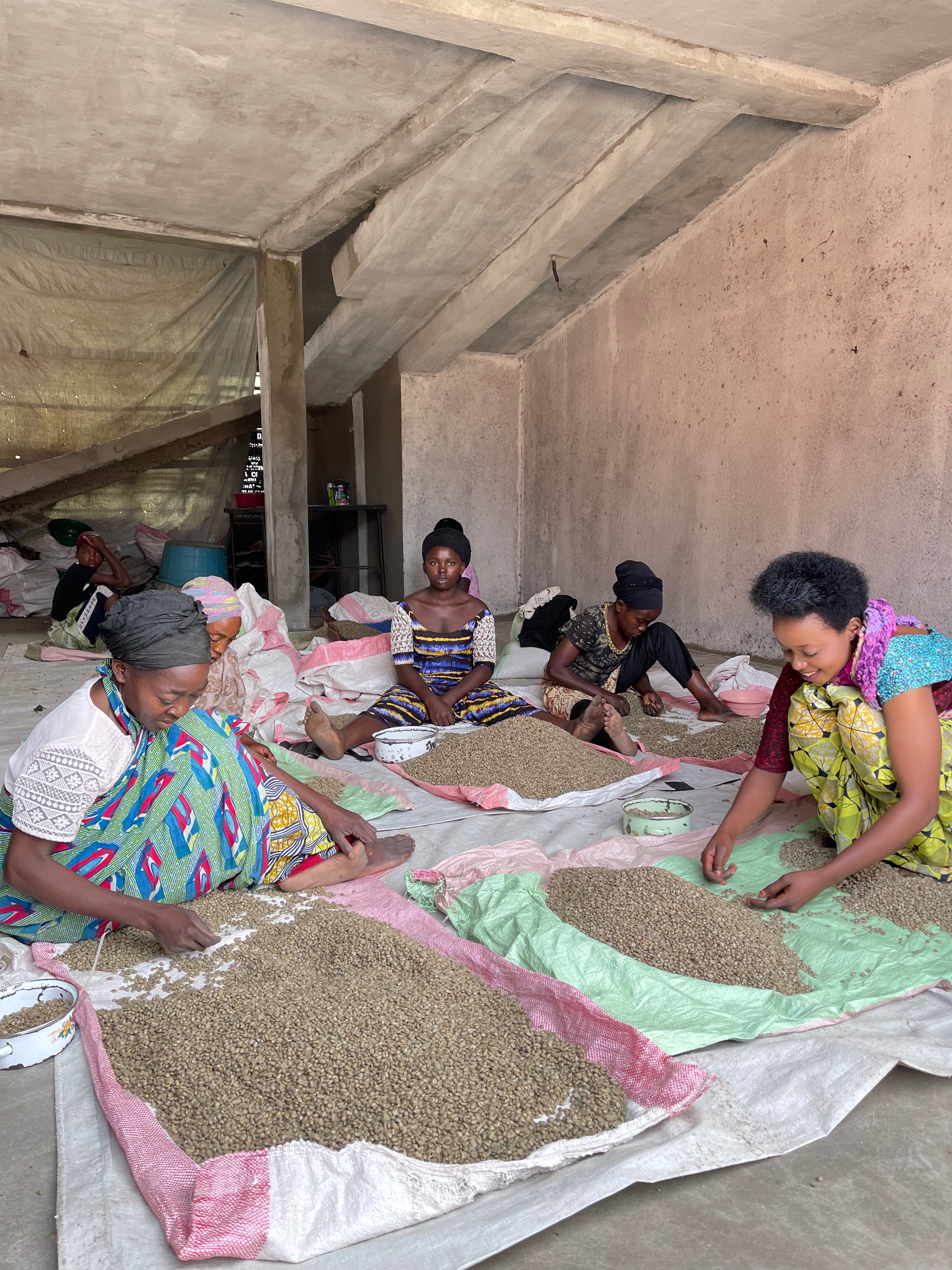
From the mist of Lake Kivu, this Congo coffee is a tribute to the resilient women of Idjwi Island. On my journey there, I met Marceline Budza, the force behind Rebuild Women’s Hope—a cooperative turning coffee into a catalyst for hospitals, clean water, and female independence. This lot is a "super clean" standout from the DRC, offering a refined balance of island tradition and modern empowerment.
Every sip is a bridge to Idjwi, delivering a delicate sweetness and a smooth, sophisticated body that reflects the strength of the women who grew it.
Taste notes: Brown sugar sweetness and soft florals, balanced by a hint of chocolaty spice.
Good for: All brewing- Drip • Pour Over • AeroPress • Espresso
Roasted: Medium
-
Good For: Pour Over, French Press, Drip, and especially delicious on Espresso
-
Taste notes: chocolate, stone fruit, cherry cola, and rustic wine.
Pairs well with
If you have any questions, you are always welcome to contact us. We'll get back to you as soon as possible, within 24 hours on weekdays.
-
Shipping Information
Use this text to answer questions in as much detail as possible for your customers.
-
Customer Support
Use this text to answer questions in as much detail as possible for your customers.
-
FAQ’s
Use this text to answer questions in as much detail as possible for your customers.
-
Contact Us
Use this text to answer questions in as much detail as possible for your customers.
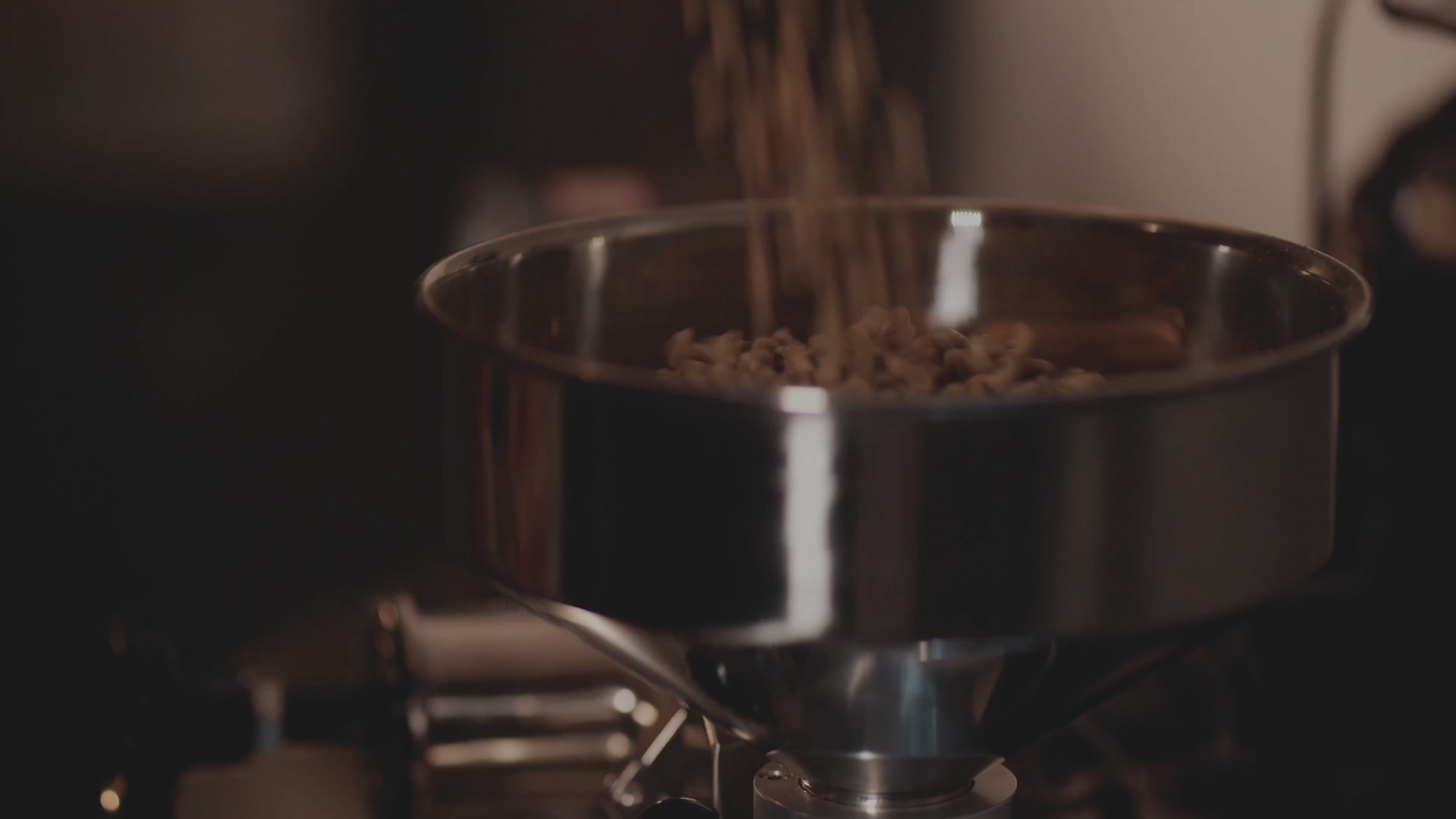
Taste the culture, tradition, and quality in every cup.
sip the story
We celebrate our roots through ethically sourced organic coffee from D.R. Congo, Tanzania, Ethiopia, and beyond!
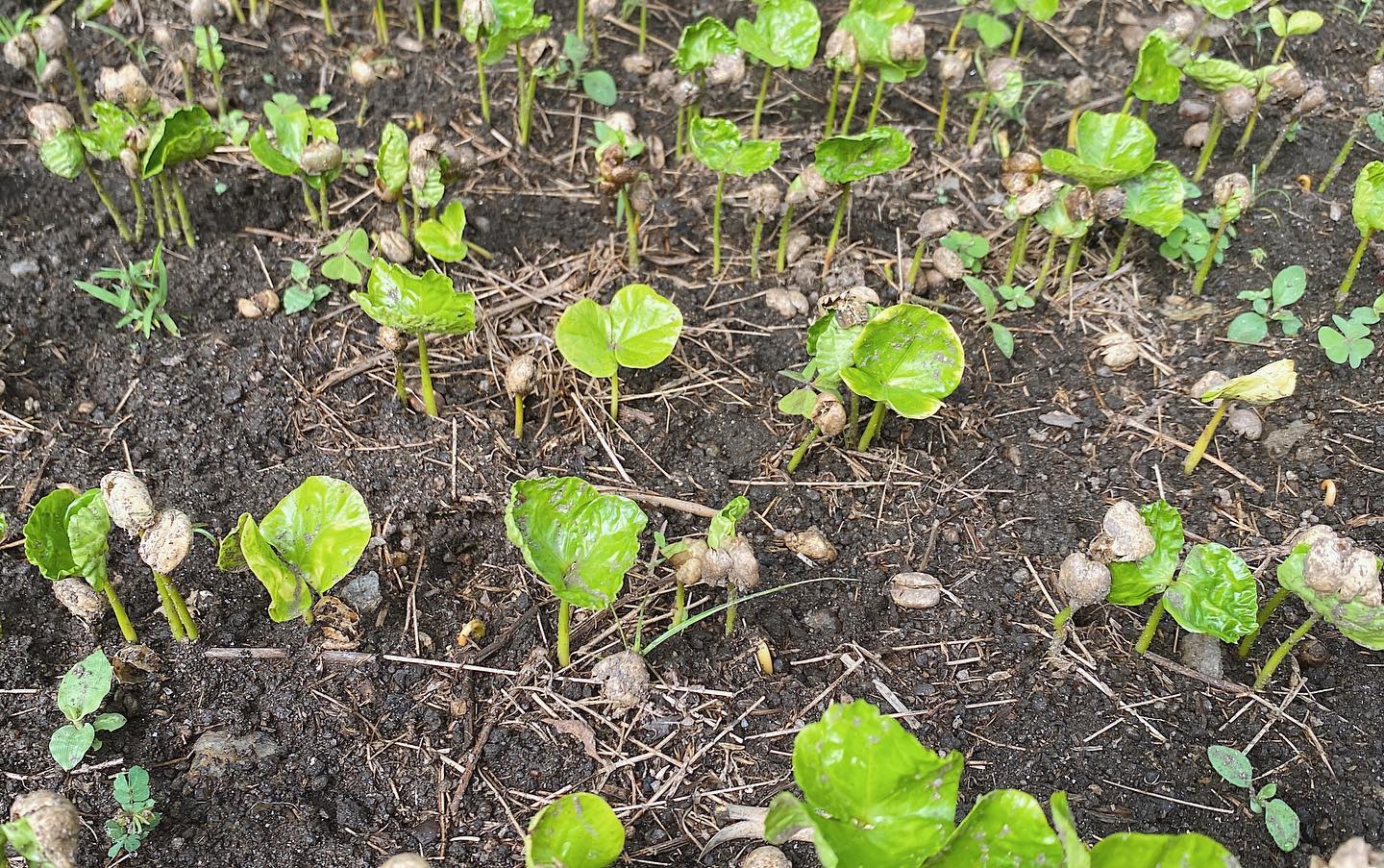


A LEGACY IN EVERY CUP
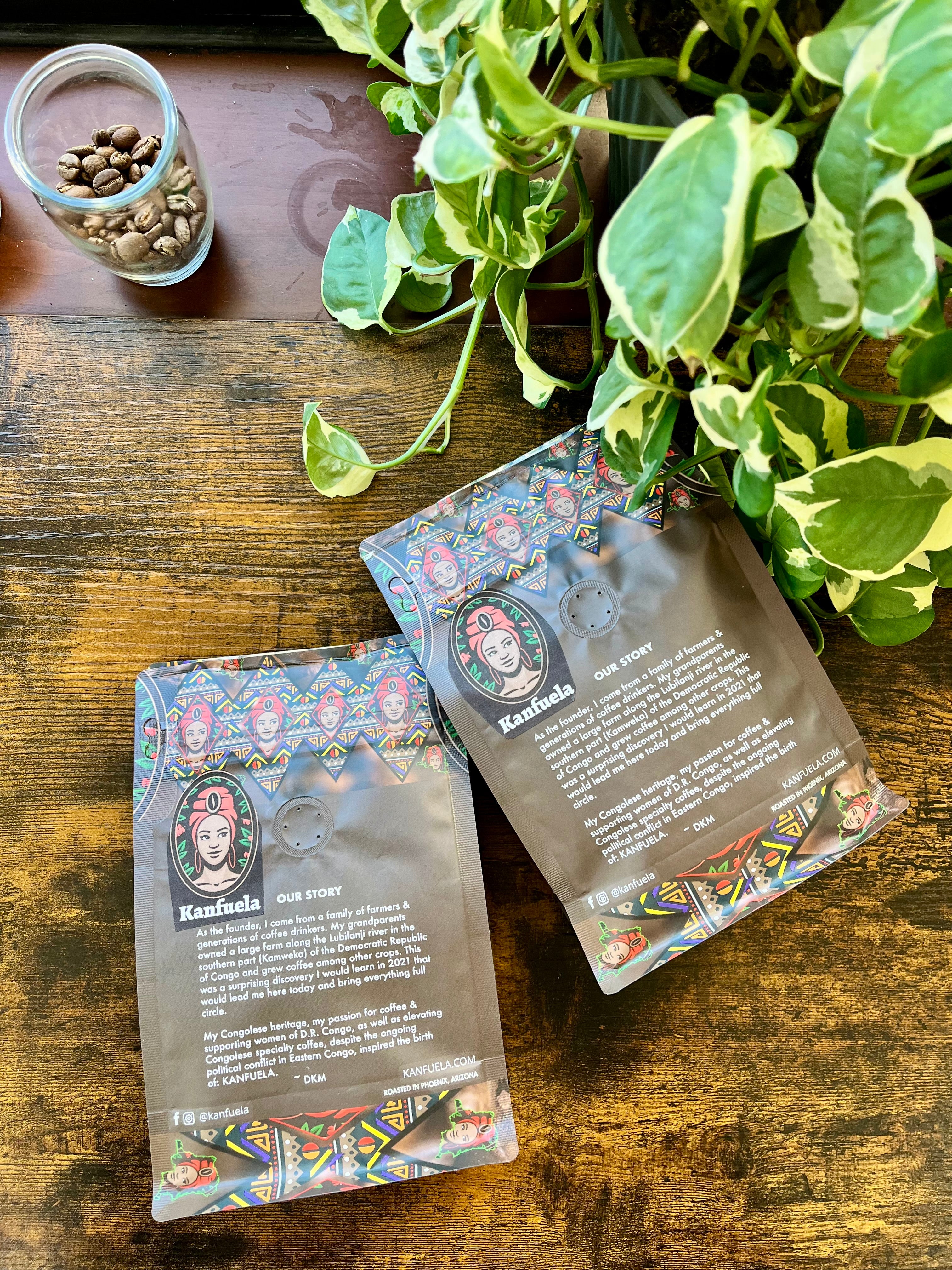
Deborah's grandparents owned farms along the Lubilanji River (now known as Sankuru River) in the town of Kamweka, of the Katanga province in southern (DRC) Democratic Republic of Congo. They cultivated many crops, including coffee.
During the ethnic conflict (1960s), most of the family fled and migrated to Mwene Ditu, a town close to Mbuji Mayi, the capital of the Kasai-Oriental province in (DRC). Hence, where their tie to the baluba culture came in.
Deborah comes from a lineage of serious coffee drinkers, farmers, and visionaries, a part of her history she would only learn in 2021 that would bring everything full circle.
